May 24, 2026

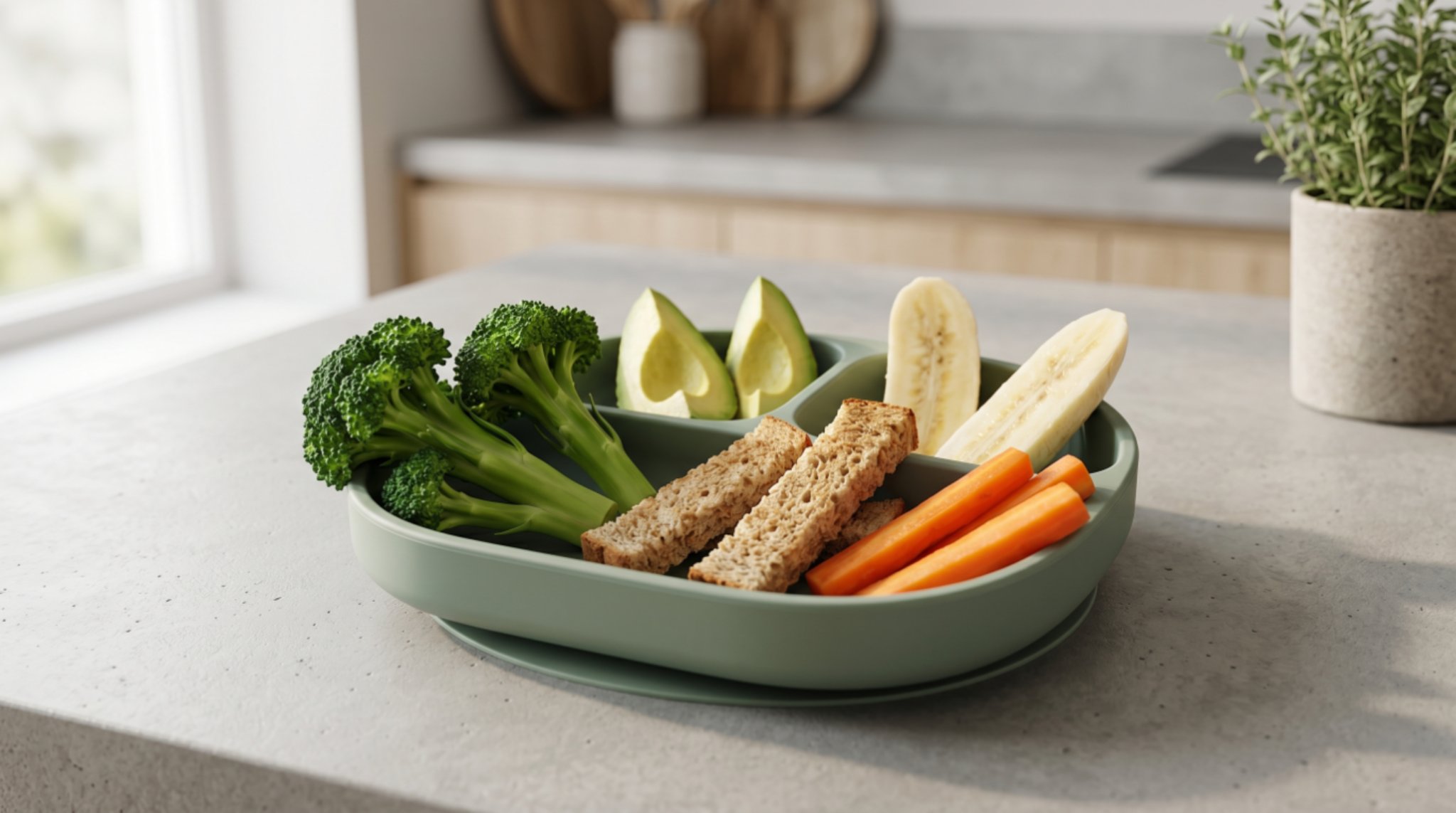
Baby-led weaning has become increasingly popular with parents who want their babies to explore food independently. While the idea can seem intimidating at first, a few simple guidelines can help make the experience both enjoyable and safe. Baby-led weaning(often shortened to BLW) is an approach that allows babies to feed themselves soft, age-appropriate foods rather than relying exclusively on spoon-fed purees. For most babies, baby-led weaning can begin around 6 months of age once they show signs of readiness.
Safe First Foods at a Glance
A useful rule of thumb is to offer foods that are soft enough to be easily mashed between your fingers.
A simple first meal might look like:
Gagging vs. Choking
Gagging is a normal protective reflex that helps babies learn how to manage food in their mouths.
Choking is different. A choking baby may be silent, unable to breathe, or unable to make sounds. Every parent introducing solids should take time to familiarize themselves with infant choking first aid.
Setting Up for Success
Whenever possible, make sure your baby is sitting upright in a stable highchair with good support. Many feeding specialists also recommend having your baby's feet supported rather than dangling.
Quick Questions Parents Ask
Can I combine baby-led weaning with spoon-feeding?
Absolutely. Many families use a mixed approach that includes both self-feeding and spoon-fed foods.
How many meals per day should I offer when starting baby-led weaning?
Many families begin with one meal per day and gradually increase as their baby becomes more comfortable exploring food and participating in family meals.
🌱 Little Roots Tip
Place a splash mat under the highchair before meals. It makes cleanup much easier and can save you from feeling stressed about the inevitable mess.
Quote
Learning often happens through exploration rather than perfection.
"Patience is the calm acceptance that things can happen in a different order than the one you have in mind." —David G. Allen
Closing Thought
Some of the most valuable lessons happen long before the food is eaten—every squished avocado and dropped broccoli floret is part of your child's journey toward independent eating.
Sources
Disclaimer: This article is intended for informational purposes only and should not replace professional medical advice. Parents should always consult their pediatric physician regarding feeding decisions, allergies, nutrition concerns, or developmental questions.

.svg)





.svg)