May 24, 2026
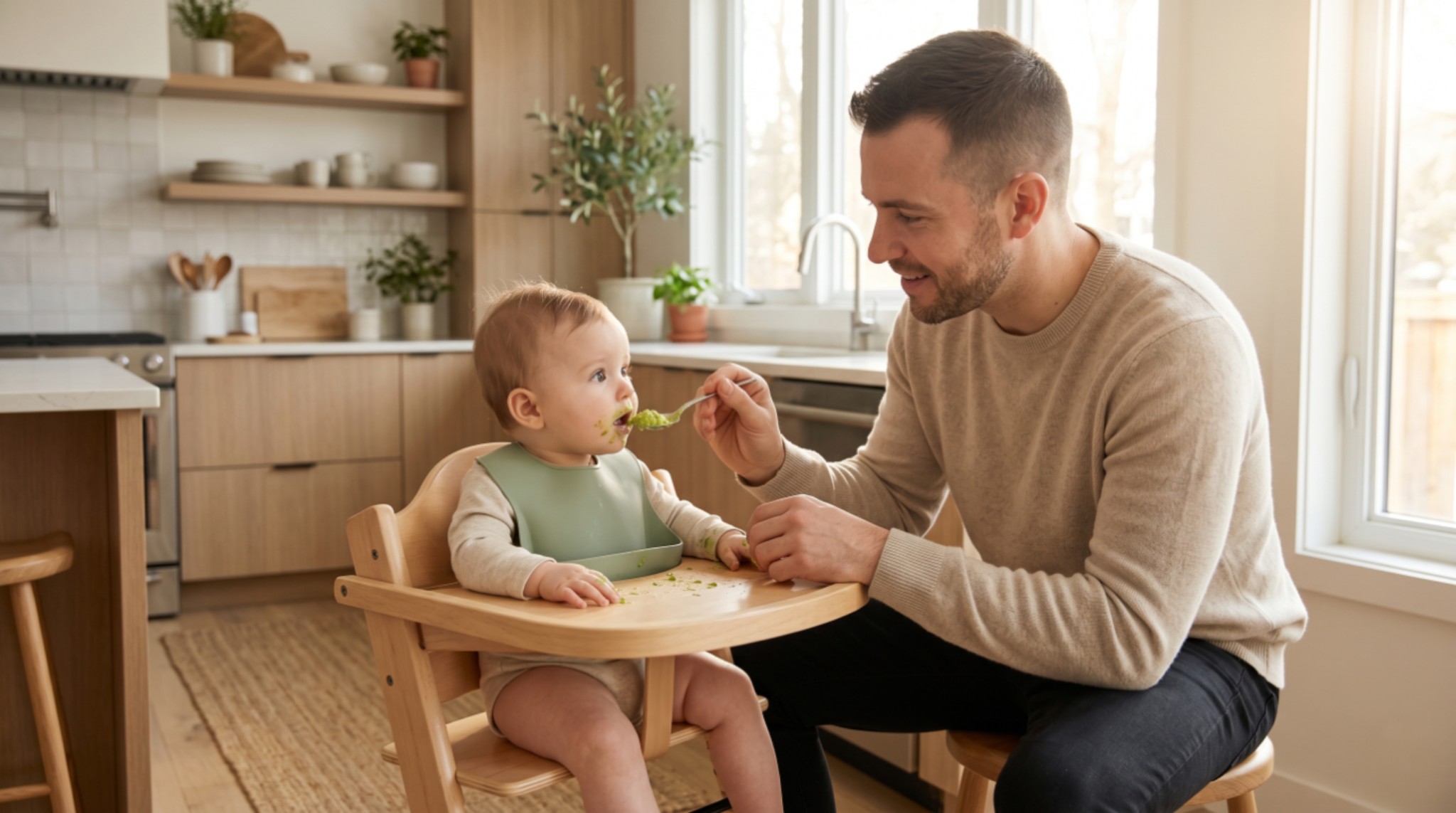
Starting solids is an exciting milestone, but it often comes with plenty of questions. Knowing when your baby is ready and which foods to offer first can help make those early mealtimes feel much less overwhelming.
One of the biggest misconceptions about starting solids is that babies suddenly need three meals a day. In reality, the first few weeks are often about exploration rather than nutrition. Milk remains your baby's primary source of nourishment while they gradually learn new tastes, textures, and eating skills.
Instead of focusing on age alone, look for signs that your baby may be ready for solids. These typically include:
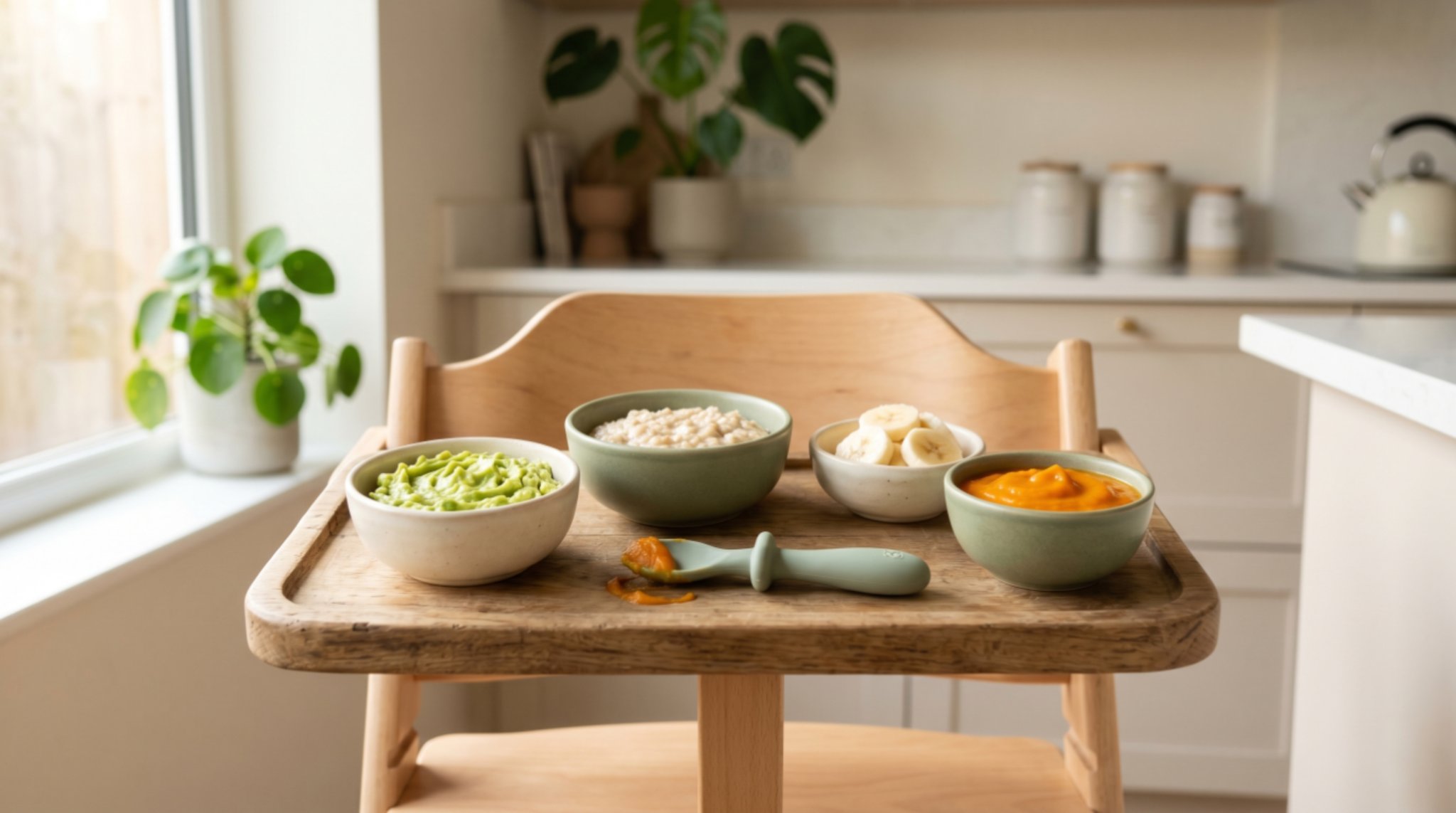
When introducing solids, simple foods are usually the easiest place to start. Popular first foods include mashed avocado, oatmeal, sweet potato, banana, and plain yogurt. Many parents find it helpful to introduce one new food every day or two. This allows babies to experience different flavours while giving parents a chance to observe how their child responds.
A simple first week might look something like this:
Day 1–2: Mashed avocado
Day 3–4: Oatmeal mixed with breastmilk or formula
Day 5–6: Sweet potato puree
Day 7: Banana
Don't worry if your baby only takes a few spoonfuls. Some babies eagerly open their mouths from day one, while others spend more time playing with the food than eating it. Both are completely normal.
Quick Questions Parents Ask
How much should my baby eat when starting solids?
Usually much less than parents expect. A few spoonfuls may be plenty in the beginning. The goal is exposure and practice rather than replacing milk feeds.
What foods should I avoid at first?
Avoid foods that present a choking risk, such as whole nuts, hard raw vegetables, and large chunks of food. Honey is also generally not recommended before 12 months of age.
🌱 Little Roots Tip
If your baby refuses a food today, don't assume they dislike it forever. Some children need to see or taste a food multiple times before they become comfortable eating it. Persistence often matters more than variety in the early weeks.
Quote
As with many parenting milestones, progress matters more than perfection.
"There is no way to be a perfect parent, but a million ways to be a good one." — Jill Churchill
Closing Thought
The goal isn't finishing every bowl—it's helping your little one discover that mealtimes can be a place of curiosity, confidence, and connection.
Sources
Disclaimer
This article is intended for informational purposes only and should not replace professional medical advice. Parents should always consult their pediatric physician regarding their child’s dietary needs, allergies, or feeding concerns.

.svg)





.svg)